The Abeng Street Font: A Crafter’s Cool Companion
Every now and then, a typeface lands in my digital toolkit that instantly sparks a dozen project ideas. Abeng Street is exactly that kind of find. It’s a Display font with a vivid graffiti-style soul, yet it carries a modern polish that makes it surprisingly versatile for handmade sellers like us. Whether you design printable wall art, press custom vinyl for tote bags, or prep boutique sticker sheets, this creative font brings an effortless street-smart energy that feels equal parts edgy and approachable.
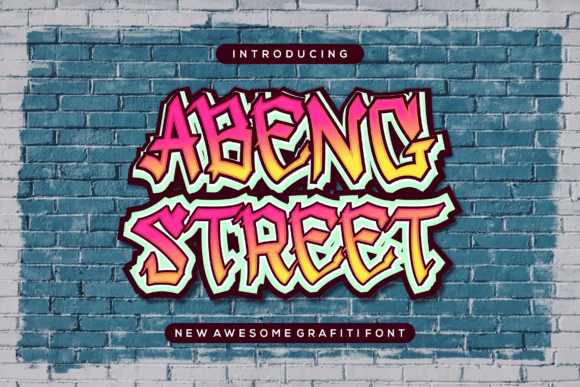
When I first installed it, I wasn’t just looking at a font — I saw labels for poured candles, cheeky greeting cards, and wedding welcome signs that dodge the expected script. The letters have a confident, slightly spontaneous rhythm, as if they were drawn with a broad marker by an artist who knows exactly what they’re doing. There’s a raw texture hiding in the forms without sacrificing clarity, and that balance is exactly what makes Abeng Street so usable for physical products. It doesn’t need to scream; it just shows up with personality.
A Closer Look at Abeng Street’s Urban Charm
What sets this modern typography apart is the way it rides the line between playful and intentional. Some graffiti-inspired fonts can feel chaotic on a mug or a thank-you tag, but Abeng Street manages to stay readable while keeping its street-cred intact. The letterforms are compact with a slight bounce, echoing hand-painted murals, yet the overall design is clean enough that you can set a full name or short phrase without your customer squinting.
I ran a quick test on a birthday invitation mockup — just the word “SEVENTEEN” in all caps — and immediately the whole layout felt louder and more celebratory. That’s the magic of a strong display font like this. It pulls focus and shapes the mood. On product labels, it turns a simple jar of honey or a hand-poured soy candle into something that looks like a limited-edition drop. The visual personality is confident, youthful, and a little unexpected, which is perfect for small shops that want to stand out in crowded marketplaces.
Even on digital downloads, the font injects warmth. I imagined a printable quote for a teen’s room set in Abeng Street, paired with a minimal sans serif for the attribution, and it just worked. The letters carry enough imperfect charm to feel custom, without the messiness that makes some script fonts impossible to cut cleanly on a Cricut. And honestly, that rough-but-polished contradiction is the font’s secret weapon for crafters.
Where Abeng Street Shines Brightest
If you’re like me, you need fonts that pull double duty across product lines. One afternoon I drafted a list of ways I’d use Abeng Street in my own shop, and the possibilities kept stacking up:
- Greeting cards and invitations – The font gives a birthday or graduation card an instant jolt of personality, especially on A2 or 5x7 prints.
- Product labels and packaging – Think candle jars, lip balm tins, and bath salt pouches. The text looks expensive and deliberate.
- Stickers and decals – Because the forms are bold and cohesive, they weed beautifully from vinyl, even at modest sizes.
- Signage and wall art – A “Welcome” board for a wedding or a farmhouse market sign gains a contemporary twist without losing rustic appeal.
- Apparel and tote bags – The font’s weight holds up well on screen-printed or heat-transfer designs, offering a streetwear vibe that customers love.
- Planner pages and printable templates – Use it for section headers, habit tracker titles, or monthly cover pages to add a touch of edgy fun.
- Holiday and seasonal product packaging – Imagine “Trick or Treat” on a cellophane bag or “Happy New Year” on a party favor. It instantly modernizes seasonal themes.
One of my favorite mockups was a set of boutique hang tags for a handmade denim jacket line. I set the shop name in Abeng Street, matte black on kraft cardstock, and the contrast was striking. The font’s slight irregularities made each tag feel hand-lettered, but with the consistency that comes from a professional premium font. For any maker selling clothing, accessories, or small-batch goods, that blend of artisan and pro is a true asset.
What I appreciate most is that Abeng Street doesn’t force you into a single aesthetic. It can look street-cool on a skateboard-themed party invite, then pivot to warm and inviting on a fall market sign. The versatility extends to digital products as well. I’ve seen makers incorporate it into SVG designs for mugs, frame-ready reminders, and even thank-you cards bundled with orders. Because it’s part of the Fonts category as a Display style, it naturally commands attention, making it ideal for short bursts of text where you want the design to pop.
From Screen to Craft: Readability and Size
One of the silent games we play as crafters is guessing whether a font will survive the transition from screen to substrate. Abeng Street eases that fear. At larger point sizes — say 24pt and above — the details are crisp and the letter spacing feels intentional. I printed a tester on textured cardstock and even the thinner strokes held without breaking, which is crucial for packaging design and tags that will be handled repeatedly.
For cutting machines, I recommend test-cutting a few sample words before committing to a bulk run. Because of the font’s slightly variable stroke widths, very intricate cuts at small sizes (think half-inch tall lettering on a tiny sticker) can push fine blades. But at the 1-inch mark and above, the results were consistently clean on my Silhouette with standard settings. If you’re creating kiss-cut sticker sheets, display phrases, or single-word decor for water bottles, Abeng Street performs like a champ. For smaller text on ingredient labels or address lines, I’d lean on a simple sans serif font as a legible companion.
Mockup previews also benefit from that real-world awareness. When you drop this typeface onto a digital product image, it instantly signals to buyers that the item has texture and thought behind it. The letters don’t look flat or sterile; they hold a bit of dimension that suggests paint or ink, which can help bridge the gap between a digital download and a tactile product. That perceived quality is a quiet sales booster.
The Art of Font Pairing
No font exists in a vacuum, and Abeng Street plays surprisingly well with others. For product designs that need more than a standout headline, thoughtful font pairing elevates the entire composition. Because this typeface is bold and full of character, I tend to match it with something restrained, letting Abeng Street carry the spotlight without visual chaos.
Here are a few combinations I’ve tried and loved:
- Abeng Street + a clean sans serif font – Use the display font for the main name or title, and a light, geometric sans for dates, locations, or shop details. This works beautifully on wedding welcome boards and event signage.
- Abeng Street + an elegant serif font – The contrast between street-smart energy and classic refinement feels unexpectedly luxe. I used this pairing on a candle label: the scent name in Abeng Street, the maker details in a delicate serif, and the result looked like a high-end boutique product.
- Abeng Street + a simple handwritten font – When you want to keep the personal, handmade feel, adding a subtle script or handwritten secondary typeface for taglines or small accents softens the overall look without diluting the cool factor.
- Abeng Street stacked with itself in different sizes – Sometimes one typeface is enough. Playing with scale and weight (if the font includes alternates or multiple styles) can create a dynamic layout for t-shirts, tote bags, or poster prints.
I also encourage checking whether Abeng Street includes alternates, ligatures, or swashes. Many modern graffiti-style fonts come with extra glyphs that let you swap out letters for more decorative versions, and that’s a golden ticket for customizing customer orders without redesigning an entire file. A few alternate characters can transform a standard tag into a bespoke design, boosting your brand identity and justifying higher price points.
Making It Yours: Licensing and Commercial Use
Before you pour this font into your next product line, let’s talk about the practical side of things. A beautiful typeface only becomes a business asset when its license allows what you actually do. Most crafters, Etsy sellers, and printable product creators need a commercial font license that covers physical items, digital downloads, templates, SVG designs, and merchandise.
Abeng Street, like many premium display fonts, is likely offered with options for personal and commercial use, but always double-check the terms. A standard commercial license often covers unlimited sales of physical products like signs, shirts, and stickers, as well as digital printables sold flat — meaning the end buyer can’t extract or edit the font files. If you’re creating items where the customer can customize text (like editable invitation templates or pre-made logo packs), you might need an extended license that permits the font’s embedding in design files.
Here’s a quick checklist I run through every time I bring a new font into my shop:
- Physical products for sale – Usually covered under a basic commercial license. Perfect for candles, mugs, apparel, and framed signs.
- Printables and digital downloads – Most licenses allow static images (JPEG, PNG, flattened PDF). If you offer editable PDFs or Canva templates where the font is embedded, check for embedding permissions.
- SVG designs for cutting machines – As long as the font is converted to outlines/paths before distribution, it’s generally fine. Never include actual font files.
- Client work and branding – If you’re designing a logo design or brand identity for a small business, ensure the license covers logo use and end-brand usage.
I always keep a copy of my purchase receipt and the license terms filed away. It’s a small habit that protects your shop and reassures customers that you’re operating professionally. When you use a typeface like Abeng Street across multiple product lines, that documentation becomes part of your behind-the-scenes quality assurance. And honestly, when a font adds this much personality to your work, you want the peace of mind that comes with a fully licensed toolkit.
Bringing It All Together in Your Craft Space
What I keep coming back to is how Abeng Street feels at home in a maker’s workflow. It’s not just another pretty creative font to collect and forget. It inserts itself naturally into the rhythm of production: mockup, test cut, label, package, and photograph. Whether you’re designing seasonal product packaging for a holiday launch, refreshing your best-selling sticker designs, or crafting a one-of-a-kind wedding welcome board, this typeface gives you a voice that’s contemporary and warm.
The street-inspired roots keep it grounded and real, which resonates with customers who crave something beyond generic script. Using it as part of a modern typography approach doesn’t just make your products look good — it tells a small story about your brand’s taste and attention to detail. And in a marketplace where first impressions are often digital thumbnails, a font that stops a scroll and invites a click is worth its weight in gold.
So whether you’re printing a batch of boutique thank-you tags, designing a “Good Vibes” hoodie, or crafting a poster that’ll hang in a nursery, consider what Abeng Street can bring to the table. It’s the kind of asset that weaves into your existing design assets seamlessly, giving handmade items a boost of confidence and helping tiny shops look anything but small.